
The Ghost Who Guarded the Gates: Why ‘Dhurandhar’ is the Ultimate Tribute to India’s Unsung Spies
We see the medals. We see the parades. But we never see the men who live as “ghosts” in enemy lands for decades, losing their names, their families, and their very identities so that 1.4 billion Indians can sleep in peace.
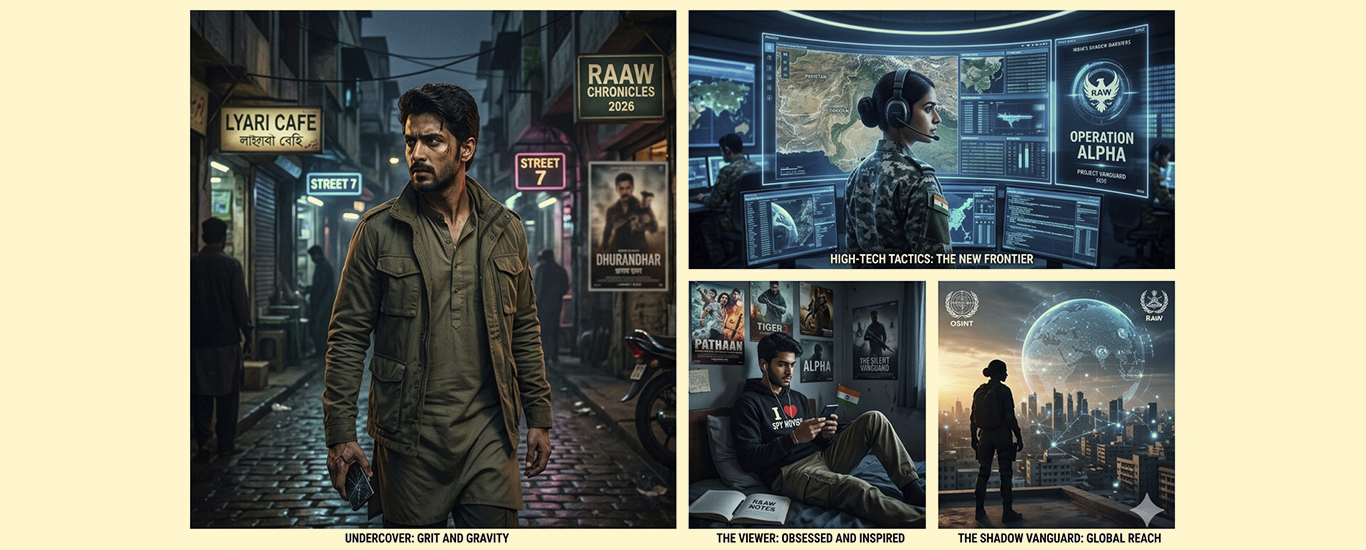
Aditya Dhar’s Dhurandhar (Part 1 & 2) isn’t just a cinematic duology; it is a mirror to the “New India”—a nation that no longer just defends, but anticipates and acts.
Part 1: The Art of the Long Game
In the first installment, we meet Jaskirat Singh Rangi (Ranveer Singh). His patriotism isn’t loud; it’s silent. It’s found in the cold isolation of a prison cell and the dangerous streets of Karachi.
- The Vision: The film beautifully captures the “Doval Doctrine.” It shows that intelligence is about patience.
- The Sacrifice: Jaskirat’s transformation into “Hamza” is a heartbreaking look at what it costs to be a patriot. You don’t just give your life for India; you give your existence.
Part 2: The Revenge – The Reckoning
- The Shift: The narrative moves from strategic restraint to strategic strikes.
- The Target: When Jaskirat finally corners the architects of terror, it isn’t just a personal victory—it’s a national catharsis.
- The Message: The sequel reinforces a powerful truth: Distance is no longer a shield for India’s enemies.
Why ‘Dhurandhar’ Hits Differently
Unlike the “superhero” spies we usually see, Ranveer Singh’s Jaskirat is vulnerable. He bleeds, he cries, and he misses home. This vulnerability makes his patriotism feel real. It reminds us that:
“The greatest heroes are not the ones on the posters; they are the ones whose names will remain a state secret forever.”
Engage Your Readers
What do you think? Is Dhurandhar the most realistic depiction of Indian intelligence ever put on screen? Or do you prefer the high-octane glamour of the Tiger and Pathaan universe?
Drop a 🇮🇳 in the comments if you think these unsung heroes deserve more stories like this!
Beyond the Screen: How ‘Dhurandhar’ Redefines the Modern Indian Hero
If Part 1 of our deep dive explored the silent sacrifice of the “ghosts,” this second part looks at the ripple effect they leave behind. Dhurandhar is more than a box-office hit; it is a cultural shift. It marks the moment Indian cinema stopped looking toward Hollywood for “cool” and started looking inward for “conviction.”
The Evolution of the Indian Spy: From Shadows to Sovereignty
For decades, the Indian spy in cinema was often a caricature—either a tragic martyr or a high-flying acrobat. Dhurandhar breaks this mold by grounding the “New India” philosophy in gritty realism.
- The Intelligence Evolution : The duology moves away from the “lone wolf” trope. It showcases the synergy between the field agent, the desk analyst, and the satellite technician. It’s a tribute to the entire ecosystem of national security.
- The Emotional Weight : While Part 2 gives us the “Revenge” we crave, it doesn’t ignore the psychological scars. Jaskirat Singh Rangi (Ranveer Singh) reminds us that even when the mission is a success, the man inside is often forever changed. This isn’t just about winning a war; it’s about the cost of keeping the peace.
Fueling the Fire: How ‘Dhurandhar’ Inspires the Indian Youth
Movies like Dhurandhar do more than entertain; they act as a catalyst for a generation looking for purpose. Here is how the saga is shaping the mindset of India’s youth:
- Redefining Patriotism For the Gen Z and Millennial audience, patriotism is no longer just about slogans. Dhurandhar portrays it as professionalism, discipline, and tech-savviness. It shows that serving the nation can be as much about cracking a code or navigating a complex geopolitical web as it is about physical bravery.
- A New Standard of Duty Seeing Jaskirat choose his mission over his identity resonates with a youth demographic that values impact. It moves the needle from “What can the country do for me?” to “What can I do for the country?” It glamorizes the intellectual warrior—the hero who wins through strategy and grit.
- Instilling National Pride through Authenticity By moving away from the “superman” tropes of the Tiger or Pathaan universes, Dhurandhar makes the dream of serving in the RAW or the Intelligence Bureau feel attainable yet prestigious. It honors the actual craft of intelligence, making young viewers curious about history, foreign policy, and internal security.
“True power isn’t in the noise of the explosion, but in the silence of the man who prevented it.”
The Legacy of the Unsung
As the credits roll on Dhurandhar: The Revenge, the audience is left with a profound sense of gratitude. We realize that the border isn’t just a line on a map; it’s a perimeter maintained by people we will never know, living lives we can barely imagine.
Aditya Dhar has given the Indian youth a new kind of icon—one who doesn’t need a cape, just a deep-seated love for the tricolor and the nerves of steel to protect it.
What’s Your Take?
Does the realism of Dhurandhar make you feel more connected to our real-life heroes than the stylized action of the YRF Spy Universe? And more importantly, do movies like this make you want to see more stories about our specialized forces?